


Webinar on hibernation science and brain health Nov. 18
November 10, 2020
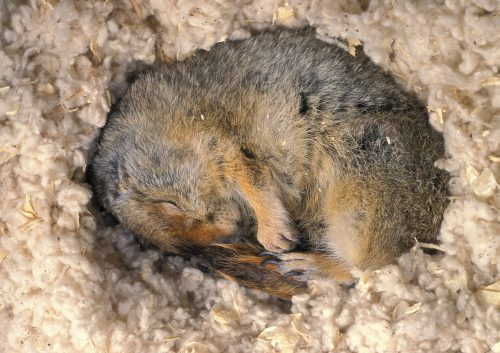
How are Arctic ground squirrels and bears of Alaska able to comfortably survive Alaska鈥檚 long, dark winters? How do they preserve their muscle mass and bone density despite no food, water, or movement? What are these specialized physiological, genetic and gut microbial mechanisms that turn on during hibernation that make this unique adaptation possible? Could these mechanisms somehow play a role in improving our prospects for healthy aging?
In recognition of November 2020 as Alzheimer鈥檚 Disease Awareness Month, the 麻豆原创 Center for Transformative Research in Metabolism 鈥擳RiM 鈥� will present a webinar sponsored by the Alzheimer鈥檚 Resource of Alaska on Wednesday, Nov. 18, at 1 p.m.
The webinar, 鈥淓xploring New Translational Research Frontiers in Hibernation Science and Brain Health,鈥� will describe the center鈥檚 focus on hibernation research and its translation to advance understanding of metabolism and treatment for health issues related to aging.
Metabolic health disorders are of particular concern to Alaska鈥檚 rapidly growing older adult population. Age increases the risk for metabolic disease including Type 2 diabetes, disuse muscle atrophy, cardiovascular disease, stroke, vascular dementia and Alzheimer鈥檚 disease.
Please . After registering, you will receive a confirmation email containing information about participating in the meeting.
This informative discussion will be led by Kelly Drew, TRiM director and principal investigator, and Denise Daniello, program coordinator. Learn about the exciting research happening at the 麻豆原创 that may improve the prospects for healthy aging across the life span.
Learn more on , or for more information about the webinar, contact Kelly Drew at kdrew@alaska.edu or Denise Daniello at dldaniello@alaska.edu.